- Home
- Symptoms & Diagnosis
- Can a Colonoscopy Detect Fatty Liver? Understand...
Can a Colonoscopy Detect Fatty Liver? Understanding Diagnostic Techniques
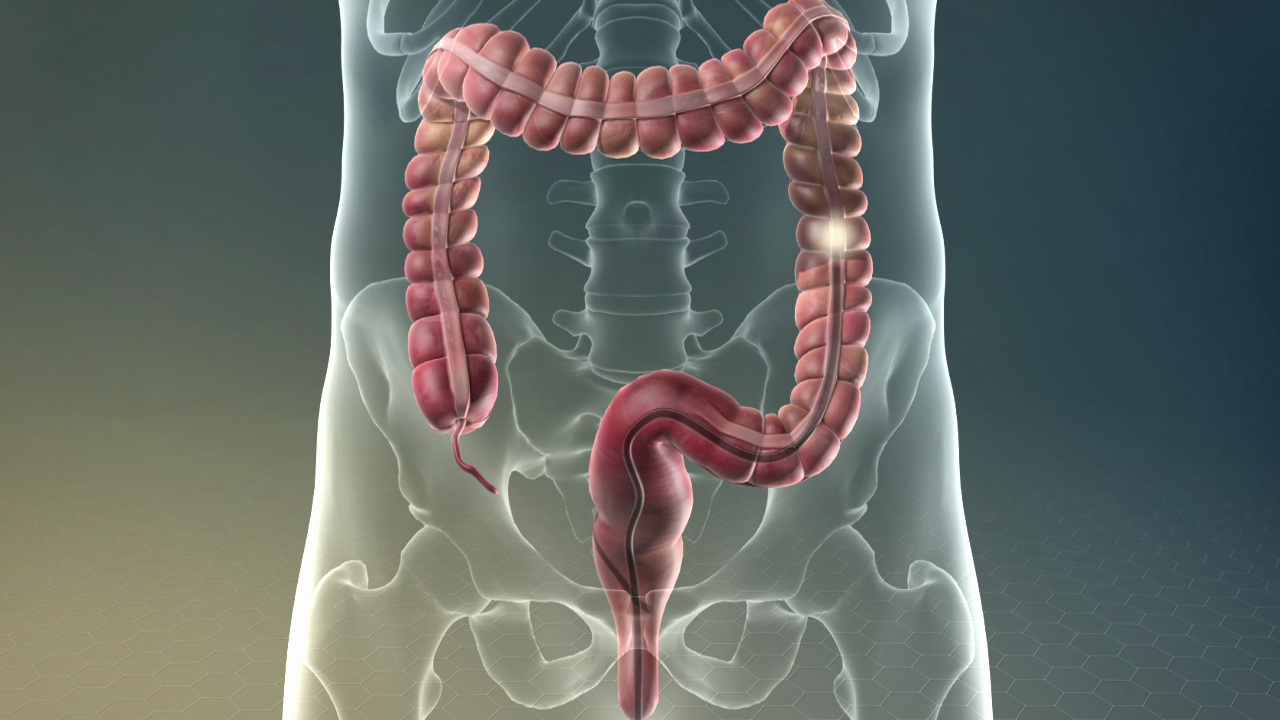
The short answer
No, a colonoscopy cannot detect fatty liver disease. In the realm of digestive health and liver diseases, it's vital to understand that diagnostic tools have specific uses based on their design and the part of the body they examine.
What this article covers
- Understanding Fatty Liver Disease
- Diagnostic Approaches for Fatty Liver Disease
- Misconceptions and Clarifications
- Misconception: Colonoscopies Can Detect Liver Diseases
- Misconception: All Digestive System Diseases Can Be Diagnosed with a Single Test
- Misconception: Imaging Tests for the Colon Can Reveal Liver Health
- Alternative Methods for Detecting Fatty Liver
- Liver Function Tests (LFTs)
- Prevention and Management of Fatty Liver Disease
- Conclusion
- References
- Further Reading
Understanding Fatty Liver Disease
Fatty liver disease, known medically as hepatic steatosis, occurs when excess fat accumulates in the liver. This condition is categorized into two main types: non-alcoholic fatty liver disease (NAFLD) and alcoholic liver disease (ALD). NAFLD is the most common form of liver disease in Western countries, affecting about 25% of the global population.Table 1: Types of Fatty Liver Disease
| Type | Description |
|---|---|
| Non-Alcoholic Fatty Liver Disease (NAFLD) | Occurs in people who drink little to no alcohol, linked to obesity, type 2 diabetes, and metabolic syndrome. |
| Alcoholic Liver Disease (ALD) | Result of heavy alcohol consumption over many years. |
Diagnostic Approaches for Fatty Liver Disease
To diagnose fatty liver disease, healthcare providers rely on a combination of patient history, physical examination, blood tests, and imaging studies. Here's a brief overview of the diagnostic methods used:- Blood Tests: Liver function tests can help detect inflammation and damage to liver cells by measuring levels of liver enzymes in the blood.
- Imaging Tests: Ultrasound is often the first imaging technique used to detect the presence of fat in the liver. Other imaging modalities like computed tomography (CT) scans, magnetic resonance imaging (MRI), and FibroScan (transient elastography) can also be employed to assess liver fat and fibrosis.
- Liver Biopsy: In some cases, a liver biopsy may be performed to confirm the diagnosis of fatty liver disease. This involves removing a small sample of liver tissue with a needle and examining it under a microscope.
Misconceptions and Clarifications
When it comes to diagnosing fatty liver disease, there are several misconceptions regarding the capabilities of diagnostic tools, particularly colonoscopies. Let's address these misconceptions and provide clarifications to ensure a clear understanding of how fatty liver disease is detected.Misconception: Colonoscopies Can Detect Liver Diseases
One common misconception is that since the liver and the colon are part of the digestive system, a colonoscopy can be used to assess liver health, including detecting fatty liver disease. Clarification: A colonoscopy is specifically designed to inspect the inner lining of the colon and rectum. It does not provide visibility or diagnostic capabilities for liver conditions, including fatty liver disease. The liver is not within the visual field of the colonoscope, making it impossible for this procedure to detect fatty liver or any other liver disease directly.Misconception: All Digestive System Diseases Can Be Diagnosed with a Single Test
Another misconception is the belief that a single diagnostic test, like a colonoscopy, can diagnose all diseases within the digestive system. Clarification: The digestive system is complex and comprises various organs, each requiring specific diagnostic approaches. Diseases affecting the liver, for instance, necessitate liver-specific tests such as blood tests (liver function tests), imaging (ultrasound, MRI, CT scan), and sometimes a liver biopsy. Colonoscopies are specialized procedures aimed at detecting colon and rectal diseases and are not suitable for diagnosing conditions affecting other organs.Misconception: Imaging Tests for the Colon Can Reveal Liver Health
Some might think that imaging tests conducted during or as part of a colonoscopy procedure can also provide insights into liver health. Clarification: While some imaging tests like CT scans or MRIs can indeed assess multiple abdominal organs, their use during a colonoscopy is not aimed at evaluating the liver. Specific settings and protocols are required to accurately assess liver health, which are different from those used during colon examinations. Therefore, a targeted approach using liver-specific imaging techniques is essential for diagnosing fatty liver disease.Alternative Methods for Detecting Fatty Liver
For diagnosing fatty liver disease, imaging tests like ultrasound are the first line of non-invasive assessment. Ultrasound is particularly effective in detecting moderate to severe fatty liver. However, it might not detect mild fatty liver disease. Advanced imaging techniques such as FibroScan (transient elastography) can also measure liver stiffness, indicating fibrosis, which is often associated with NAFLD and NASH (non-alcoholic steatohepatitis, a severe form of NAFLD).Liver Function Tests (LFTs)
Liver function tests are crucial in assessing liver health. These blood tests measure levels of liver enzymes, proteins, and bilirubin. Elevated levels can indicate liver damage or disease, including fatty liver.Prevention and Management of Fatty Liver Disease
Managing fatty liver disease involves lifestyle changes and, in some cases, medications. Key strategies include:- Weight loss: Reducing body weight by 5% to 10% can significantly decrease liver fat.
- Dietary changes: A healthy diet, rich in fruits, vegetables, whole grains, and healthy fats, can improve liver health.
- Exercise: Regular physical activity helps reduce liver fat.
- Avoiding alcohol: Particularly important in ALD, but also beneficial in NAFLD management.
- Monitoring and managing cholesterol and glucose levels: Essential for overall health and preventing disease progression.
Conclusion
While a colonoscopy is an essential tool in colorectal cancer screening and detecting lower gastrointestinal issues, it cannot detect fatty liver disease. The diagnosis of fatty liver requires a combination of medical history, physical examination, blood tests, and specific imaging techniques. Understanding the limitations and appropriate applications of various diagnostic tools is crucial in effectively detecting and managing liver diseases.References
- Younossi, Z.M., et al. (2016). "Global epidemiology of nonalcoholic fatty liver disease—Meta-analytic assessment of prevalence, incidence, and outcomes." Hepatology, 64(1), 73-84.
Further Reading
- "The Liver Disorders and Hepatitis Sourcebook" (Howard J. Worman, M.D.) - Provides comprehensive information on various liver conditions, including fatty liver disease, and discusses diagnosis and treatment options.
- "Fatty Liver: You Can Reverse It" (Dr. Sandra Cabot) - Offers insights into the causes of fatty liver and practical advice on how to reverse the condition through diet and lifestyle changes.
Before you act on this
FattyFix publishes general health information. It is not medical advice, it is not a diagnosis, and it is not a substitute for talking to a doctor, pharmacist or dietitian who knows your history. Never delay or stop treatment because of something you read here.
Where to check this independently
These are the standing reference pages on fatty liver disease from national health bodies. They are not citations for the specific claims above — they are where to go to verify anything you read here against a primary source.
Related articles
 Symptoms & Diagnosis
 Can Fatty Liver Cause High Bilirubin?
Yes, fatty liver can cause high bilirubin levels. Fatty liver disease, also known as hepatic steatosis, o...
11 min read Aug 2024 Diet & Nutrition
 Ayurvedic Diet for Fatty Liver Recovery
Why Timing Matters: The Role of Meal Schedule in Liver Detox Ayurveda gives significant importance to the...
4 min read Jun 2025
Supplements & Herbs Best Ayurvedic Medicine for Fatty Liver: A Natural Healing Guide
Yes, Ayurveda offers several highly effective natural remedies and formulations for treating fatty liver...
3 min read Jun 2025 Foods & Drinks
 Is Curd Good for Fatty Liver? An Evidence-Based Guide for Liver Health
Yes, curd (yogurt) can be beneficial for fatty liver disease when consumed in moderation. Thanks to its p...
4 min read Jun 2025 Foods & Drinks
 Is Sugarcane Juice Good for Fatty Liver?
Is Sugarcane Juice Good for Fatty Liver? A Science-Backed Perspective Yes, sugarcane juice , when consume...
4 min read Jun 2025 Foods & Drinks
 Is Dalia Good for Fatty Liver?
Is Dalia Good for Fatty Liver? A Complete Guide for Liver Health Yes, dalia (broken wheat) is highly bene...
3 min read Jun 2025