What the AST/ALT ratio shows
AST and ALT are enzymes that leak into the blood when liver cells are damaged. ALT is the more liver-specific of the two; AST also comes from muscle, heart and red blood cells. The ratio between them has been used since the 1950s — it is sometimes called the De Ritis ratio — as a clue to the cause of a raised liver test.
| Ratio | Pattern it is associated with |
|---|---|
| Below 1 | The usual pattern in metabolic (non-alcoholic) fatty liver disease |
| Around 1 or above | Can appear as fibrosis advances, including in fatty liver |
| Above 2 | Classically associated with alcohol-related liver disease |
Important limits
- The ratio is a hint, not a test. Plenty of people break the pattern.
- Both enzymes can be normal in someone who has significant liver disease, so a normal ratio proves nothing.
- Hard exercise, muscle injury and some medicines raise AST without any liver problem at all.
- It cannot distinguish between causes on its own; that takes history, imaging and sometimes further testing.
Before you act on this
FattyFix publishes general health information. It is not medical advice, it is not a diagnosis, and it is not a substitute for talking to a doctor, pharmacist or dietitian who knows your history. Never delay or stop treatment because of something you read here.
Articles that go with this
 Diet & Nutrition
 Ayurvedic Diet for Fatty Liver Recovery
Why Timing Matters: The Role of Meal Schedule in Liver Detox Ayurveda gives significant importance to the...
4 min read Jun 2025 Treatment & Reversal
 How Long Does It Take to Reverse Fatty Liver?
If diagnosed early, fatty liver disease (both NAFLD and AFLD) can often be reversed within 6 months to 1...
5 min read Apr 2025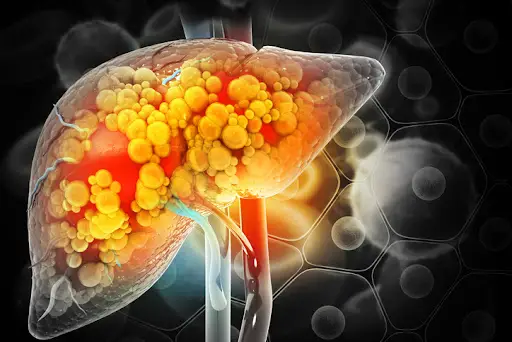 Treatment & Reversal
 Is Fatty Liver Reversible?
Yes, fatty liver disease is reversible, especially in its early stages. By making lifestyle changes, such...
3 min read Apr 2025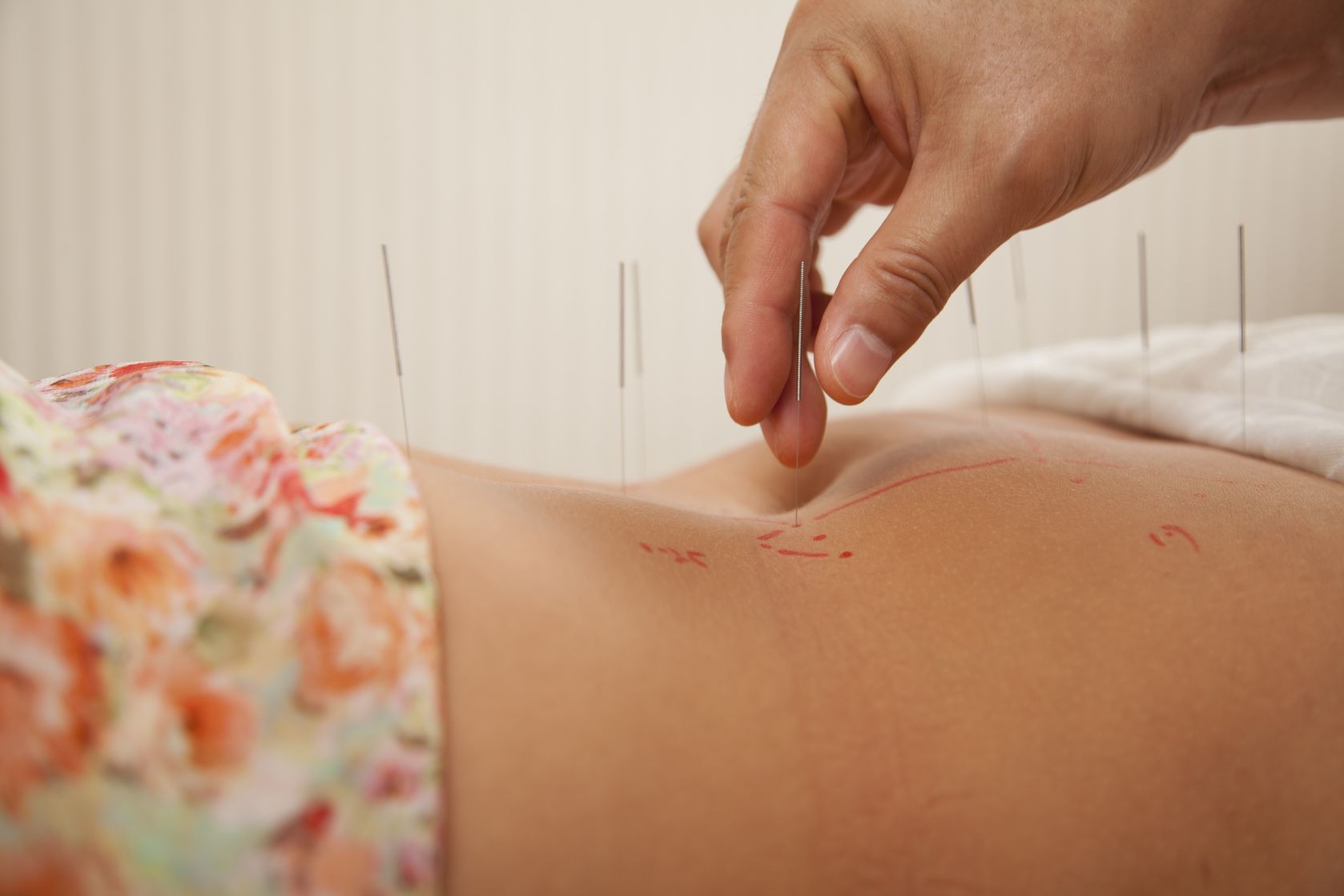 Treatment & Reversal
 Acupuncture for Fatty Liver: A Natural Approach to Liver Health
Fatty liver disease, whether non-alcoholic (NAFLD) or alcoholic (AFLD), is becoming increasingly prevalen...
3 min read Apr 2025