How FIB-4 is calculated
FIB-4 combines four routine values into a single number:
FIB-4 = (age × AST) ÷ (platelet count × √ALT)
It was developed to estimate the likelihood of advanced fibrosis — stage 3 or 4 scarring — without a biopsy. It does not measure how much fat is in your liver, and it is not a diagnosis of anything on its own.
What the result means
| FIB-4 | Usual interpretation | Typical next step |
|---|---|---|
| Below 1.30 | Advanced fibrosis unlikely | Reassess periodically; manage the metabolic drivers |
| 1.30 – 2.67 | Indeterminate — the score cannot rule it in or out | A second non-invasive test, often elastography or an ELF blood test |
| Above 2.67 | Advanced fibrosis more likely | Referral to a liver specialist |
Over the age of 65 the lower cut-off performs poorly, and a threshold of 2.0 is widely used instead of 1.30 to avoid flagging people unnecessarily. This calculator applies that adjustment automatically and tells you when it has.
Where FIB-4 goes wrong
- It is unreliable under 35 and over 65 without the adjusted cut-off.
- Anything that independently changes your platelet count — a haematological condition, some medicines, pregnancy — will distort it.
- A normal FIB-4 alongside a normal ALT does not rule out liver disease.
- It says nothing about the fat itself, which is what “fatty liver” describes.
Bring the number to your doctor rather than acting on it. It is a triage tool used inside a pathway, not a result in its own right.
Before you act on this
FattyFix publishes general health information. It is not medical advice, it is not a diagnosis, and it is not a substitute for talking to a doctor, pharmacist or dietitian who knows your history. Never delay or stop treatment because of something you read here.
Articles that go with this
 Diet & Nutrition
 Ayurvedic Diet for Fatty Liver Recovery
Why Timing Matters: The Role of Meal Schedule in Liver Detox Ayurveda gives significant importance to the...
4 min read Jun 2025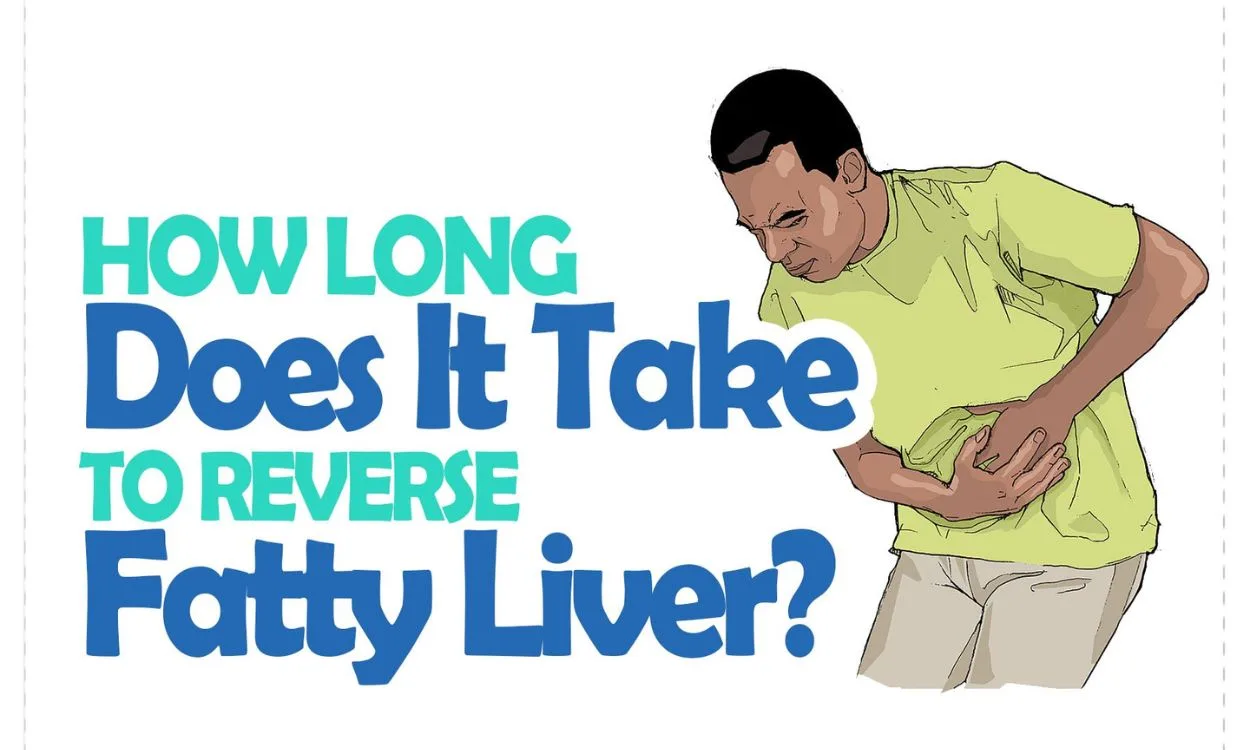 Treatment & Reversal
 How Long Does It Take to Reverse Fatty Liver?
If diagnosed early, fatty liver disease (both NAFLD and AFLD) can often be reversed within 6 months to 1...
5 min read Apr 2025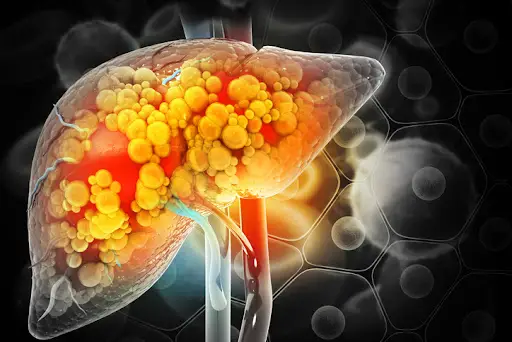 Treatment & Reversal
 Is Fatty Liver Reversible?
Yes, fatty liver disease is reversible, especially in its early stages. By making lifestyle changes, such...
3 min read Apr 2025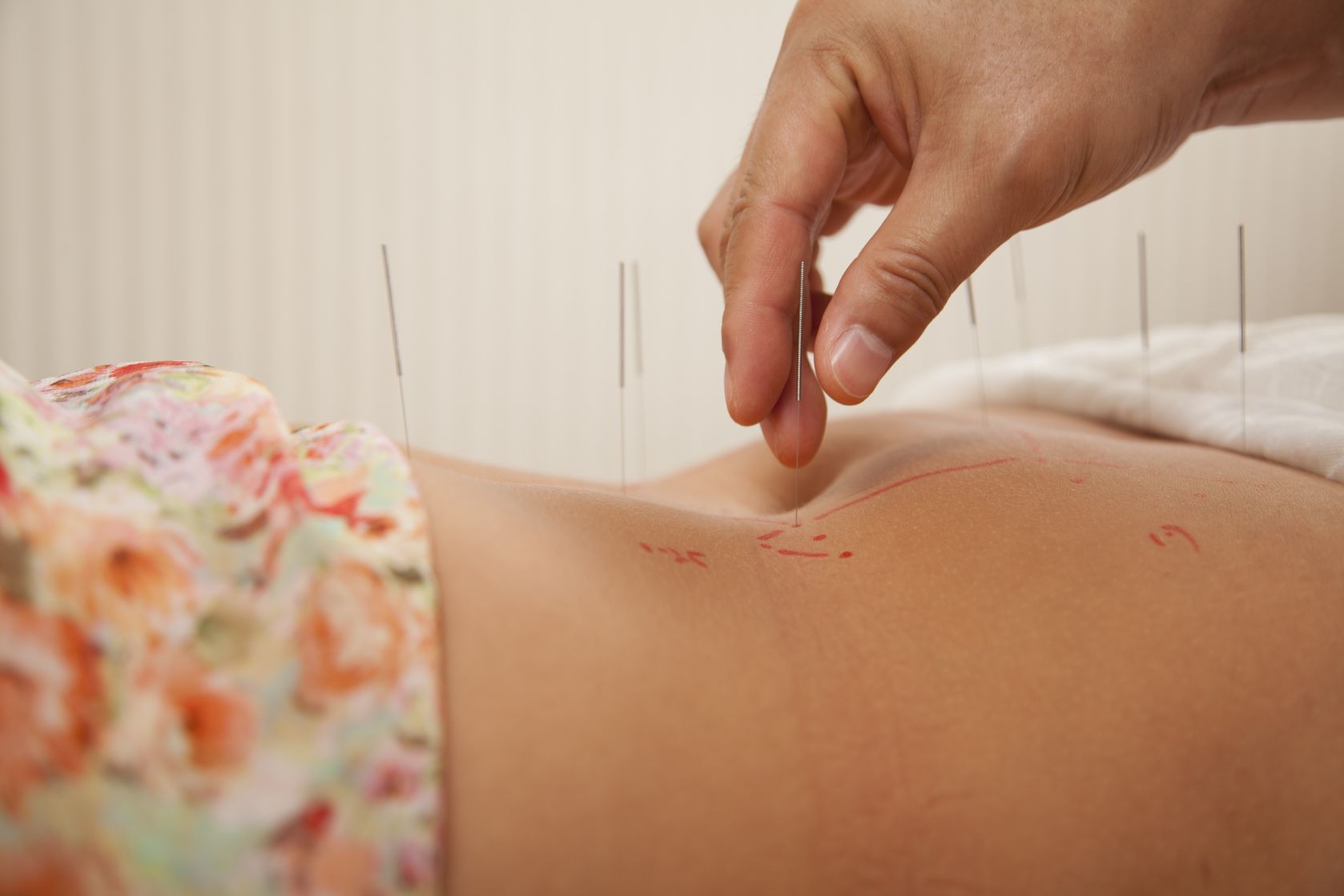 Treatment & Reversal
 Acupuncture for Fatty Liver: A Natural Approach to Liver Health
Fatty liver disease, whether non-alcoholic (NAFLD) or alcoholic (AFLD), is becoming increasingly prevalen...
3 min read Apr 2025