- Home
- Symptoms & Diagnosis
- Can Fatty Liver Cause High Bilirubin?
Can Fatty Liver Cause High Bilirubin?
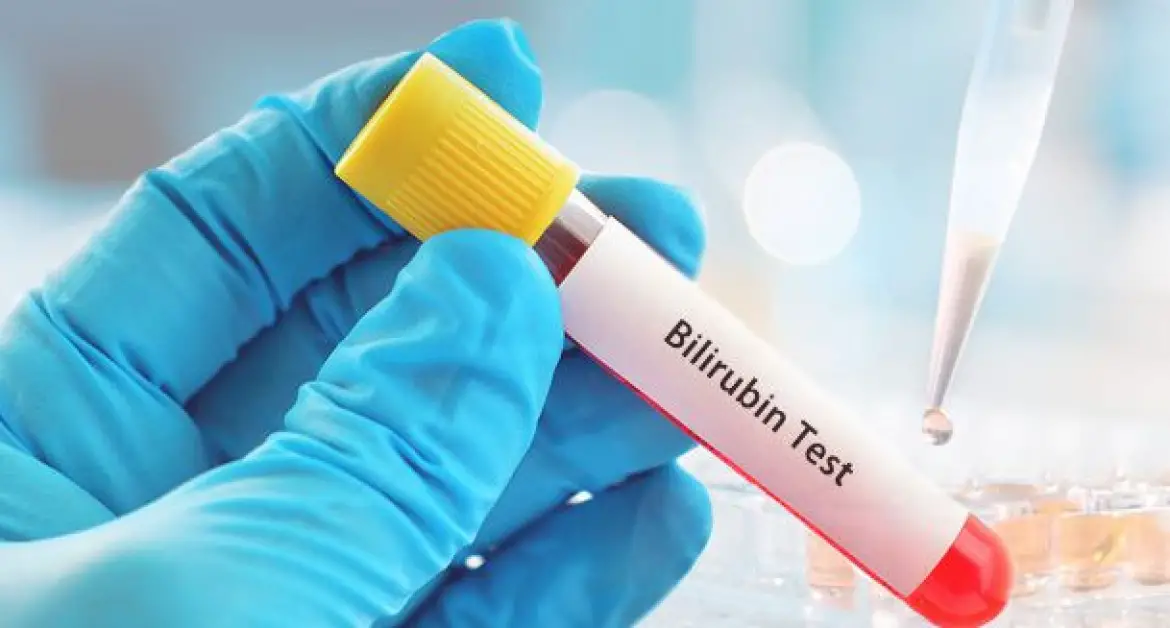
The short answer
Yes, fatty liver can cause high bilirubin levels. Fatty liver disease, also known as hepatic steatosis, occurs when excess fat builds up in the liver.
What this article covers
- Understanding the Link Between Fatty Liver and Bilirubin
- Symptoms and Risks of High Bilirubin Levels in Fatty Liver
- What Are the Causes of High Bilirubin?
- The Role of the Liver in Bilirubin Processing
- Importance of Liver Function in Bilirubin Processing
- How Can High Bilirubin Levels Be Treated or Managed?
- What Diagnostic Tests Are Used to Measure Bilirubin Levels and Liver Function?
- Can Diet Alone Reduce High Bilirubin Levels?
- Key Dietary Considerations:
- Can High Bilirubin Levels Be Prevented? If So, How?
- How Long Does It Take to See Improvements?
- Are There Any Natural Remedies for Lowering Bilirubin Levels in Fatty Liver?
- Natural Remedies for Lowering Bilirubin Levels:
- Note:
What Diagnostic Tests Are Used to Measure Bilirubin Levels and Liver Function?
Here are the key diagnostic tests used to measure bilirubin levels and assess liver function:| Diagnostic Test | Purpose |
|---|---|
| Liver Function Tests (LFTs) | Measures bilirubin levels, liver enzymes (ALT, AST), ALP, GGT to detect liver damage or dysfunction. |
| Complete Blood Count (CBC) | Assesses overall health, detects disorders affecting the liver, such as low platelet counts. |
| Prothrombin Time (PT/INR) | Measures blood clotting time; prolonged time can indicate liver dysfunction. |
| Ultrasound | Visualizes liver size, detects abnormalities like fatty liver, cirrhosis, or tumors. |
| CT Scan or MRI | Provides detailed images of the liver, identifies structural abnormalities, tumors, or liver conditions. |
| Liver Biopsy | Examines liver tissue under a microscope to assess the extent of liver damage and diagnose liver diseases. |
| Hepatitis Panel | Detects the presence of hepatitis viruses (A, B, C) that cause liver inflammation and elevated bilirubin levels. |
| FibroScan (Transient Elastography) | Measures liver stiffness to assess the degree of liver fibrosis or cirrhosis. |
Can Diet Alone Reduce High Bilirubin Levels?
No, diet alone may not be enough to reduce high bilirubin levels, but it can play a significant role. A balanced diet that supports liver health can help manage and potentially reduce high bilirubin levels, especially when combined with other lifestyle changes. However, if high bilirubin levels are caused by underlying liver disease, infections, or other medical conditions, diet alone is unlikely to be sufficient. Medical treatment, including medications and other interventions, is often necessary to address the root cause of elevated bilirubin levels.Key Dietary Considerations:
- Increase Antioxidant-Rich Foods: Consuming fruits and vegetables high in antioxidants, like berries and leafy greens, can support liver health.
- Stay Hydrated: Drinking plenty of water helps the liver function efficiently and aids in the elimination of toxins.
- Limit Alcohol: Reducing or eliminating alcohol intake can prevent further liver damage and help lower bilirubin levels.
- Avoid Processed Foods: Limiting foods high in unhealthy fats, sugars, and additives can reduce the liver's workload.
- Include Liver-Supportive Foods: Incorporate foods like garlic, turmeric, and fatty fish, which are known to support liver function.
Can High Bilirubin Levels Be Prevented? If So, How?
Yes, high bilirubin levels can often be prevented by taking proactive steps to maintain liver health and overall well-being.| Prevention Strategy | How It Helps Prevent High Bilirubin Levels |
|---|---|
| Maintain a Healthy Diet | Eat a balanced diet rich in fruits, vegetables, lean proteins, and whole grains to support liver function. |
| Stay Hydrated | Drinking plenty of water helps the liver process and eliminate bilirubin and other toxins efficiently. |
| Limit Alcohol Consumption | Reducing or avoiding alcohol intake prevents liver damage, which can help maintain normal bilirubin levels. |
| Avoid Exposure to Toxins | Minimizing exposure to harmful chemicals and environmental toxins reduces strain on the liver. |
| Regular Exercise | Engaging in regular physical activity helps maintain a healthy weight and reduces the risk of fatty liver disease. |
| Monitor Medications | Being cautious with medications that affect liver function can prevent liver stress and high bilirubin levels. |
| Regular Health Check-Ups | Routine blood tests and health check-ups allow for early detection of liver issues before bilirubin levels rise. |
| Avoid Viral Infections | Protecting yourself from hepatitis and other liver-harming infections helps maintain liver health. |
| Manage Underlying Conditions | Properly managing conditions like diabetes and obesity can prevent liver dysfunction and high bilirubin levels. |
How Long Does It Take to See Improvements?
The time it takes to see improvements in high bilirubin levels, especially when managing fatty liver, can vary widely depending on several factors:| Factor | Expected Timeframe for Improvement |
|---|---|
| Severity of the Condition | Mild conditions may see improvements within a few weeks to a few months. |
| Diet and Lifestyle Changes | Noticeable improvements within 1 to 3 months after adopting healthier habits. |
| Medical Treatment | Improvements may begin within weeks; significant changes could take a few months. |
| Consistency in Management | Consistent adherence to recommendations speeds up improvement; varies by individual. |
| Individual Response | Varies; some may see quicker improvements, while others may take longer. |
| Typical Timeframe | Details |
|---|---|
| Short-Term (Weeks) | Initial improvements in symptoms like fatigue and jaundice within a few weeks. |
| Medium-Term (1-3 Months) | Substantial improvements in bilirubin levels and liver function tests. |
| Long-Term (6 Months or More) | Significant recovery and stabilization of liver health can take 6 months or longer. |
Are There Any Natural Remedies for Lowering Bilirubin Levels in Fatty Liver?
Yes, there are several natural remedies that may help lower bilirubin levels and support liver health, especially in the context of fatty liver disease.Natural Remedies for Lowering Bilirubin Levels:
| Natural Remedy | How It Helps Lower Bilirubin Levels |
|---|---|
| Milk Thistle | Supports liver function and may help improve the liver's ability to process bilirubin. |
| Turmeric | Contains curcumin, an anti-inflammatory compound that aids in reducing liver inflammation and improving bile production. |
| Dandelion Root | Supports liver detoxification and improves bile flow, helping to lower bilirubin levels. |
| Ginger | Enhances digestion and bile production, aiding in the elimination of bilirubin. |
| Artichoke | Enhances bile production, supporting the liver in processing bilirubin efficiently. |
| Leafy Green Vegetables | Rich in chlorophyll, these vegetables help detoxify the liver and support overall liver function. |
| Stay Hydrated | Drinking plenty of water aids in the liver's ability to flush out toxins, including bilirubin. |
| Lemon Juice | Believed to help cleanse the liver and support bile production, aiding in reducing bilirubin levels. |
| Beetroot Juice | Known for its liver-detoxifying properties, which may help reduce liver stress and improve bilirubin processing. |
| Papaya and Mango | Contain digestive enzymes that may support liver function and help manage bilirubin levels. |
Note:
While these natural remedies can support liver health and potentially help lower bilirubin levels, they should be used as complementary treatments alongside medical advice. It's important to consult with a healthcare professional before starting any new remedy, especially if you have an existing liver condition or are taking medications.Frequently asked questions
Answered in this article.
What Are the Causes of High Bilirubin?
How Can High Bilirubin Levels Be Treated or Managed?
What Diagnostic Tests Are Used to Measure Bilirubin Levels and Liver Function?
Can Diet Alone Reduce High Bilirubin Levels?
Can High Bilirubin Levels Be Prevented? If So, How?
How Long Does It Take to See Improvements?
Are There Any Natural Remedies for Lowering Bilirubin Levels in Fatty Liver?
Before you act on this
FattyFix publishes general health information. It is not medical advice, it is not a diagnosis, and it is not a substitute for talking to a doctor, pharmacist or dietitian who knows your history. Never delay or stop treatment because of something you read here.
Where to check this independently
These are the standing reference pages on fatty liver disease from national health bodies. They are not citations for the specific claims above — they are where to go to verify anything you read here against a primary source.
Related articles
 Symptoms & Diagnosis
 Can a Colonoscopy Detect Fatty Liver? Understanding Diagnostic Techniques
No, a colonoscopy cannot detect fatty liver disease. In the realm of digestive health and liver diseases,...
6 min read Feb 2024 Diet & Nutrition
 Ayurvedic Diet for Fatty Liver Recovery
Why Timing Matters: The Role of Meal Schedule in Liver Detox Ayurveda gives significant importance to the...
4 min read Jun 2025
Supplements & Herbs Best Ayurvedic Medicine for Fatty Liver: A Natural Healing Guide
Yes, Ayurveda offers several highly effective natural remedies and formulations for treating fatty liver...
3 min read Jun 2025 Foods & Drinks
 Is Curd Good for Fatty Liver? An Evidence-Based Guide for Liver Health
Yes, curd (yogurt) can be beneficial for fatty liver disease when consumed in moderation. Thanks to its p...
4 min read Jun 2025 Foods & Drinks
 Is Sugarcane Juice Good for Fatty Liver?
Is Sugarcane Juice Good for Fatty Liver? A Science-Backed Perspective Yes, sugarcane juice , when consume...
4 min read Jun 2025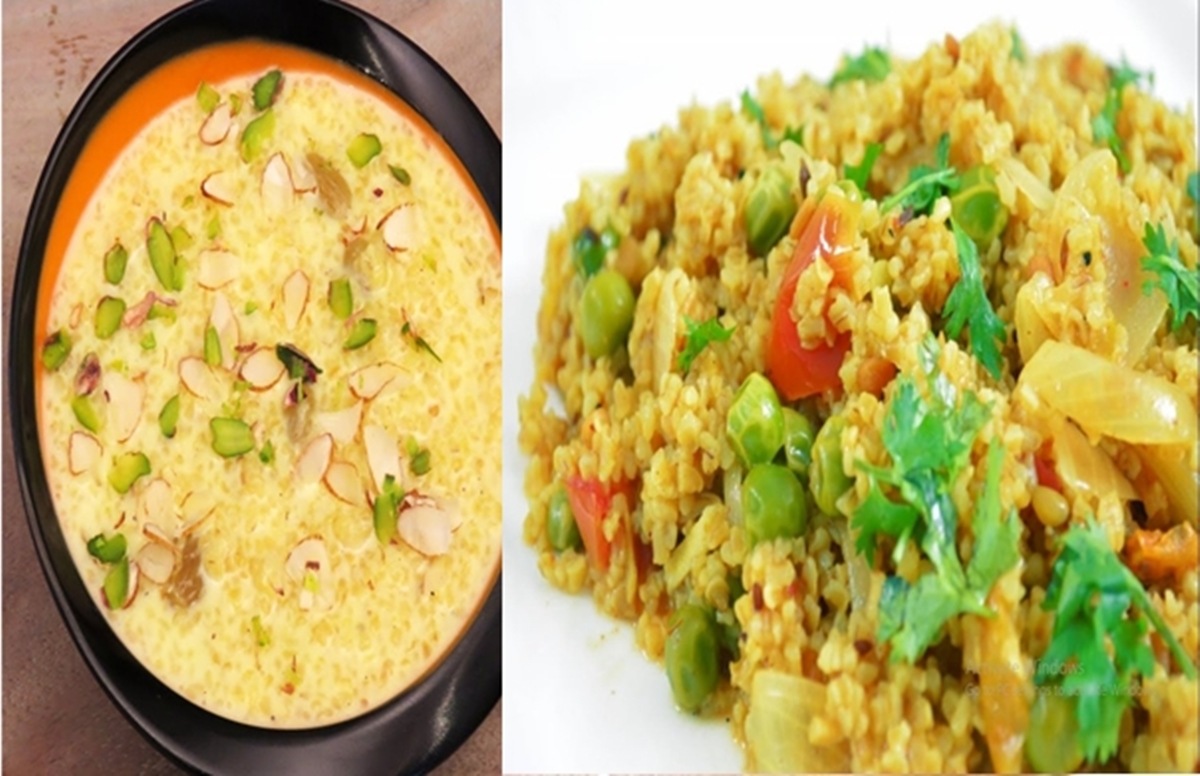 Foods & Drinks
 Is Dalia Good for Fatty Liver?
Is Dalia Good for Fatty Liver? A Complete Guide for Liver Health Yes, dalia (broken wheat) is highly bene...
3 min read Jun 2025