- Home
- Foods & Drinks
- Best Red Wine for Fatty Liver: Why Pinot Noir is...
Best Red Wine for Fatty Liver: Why Pinot Noir is Your Top Choice
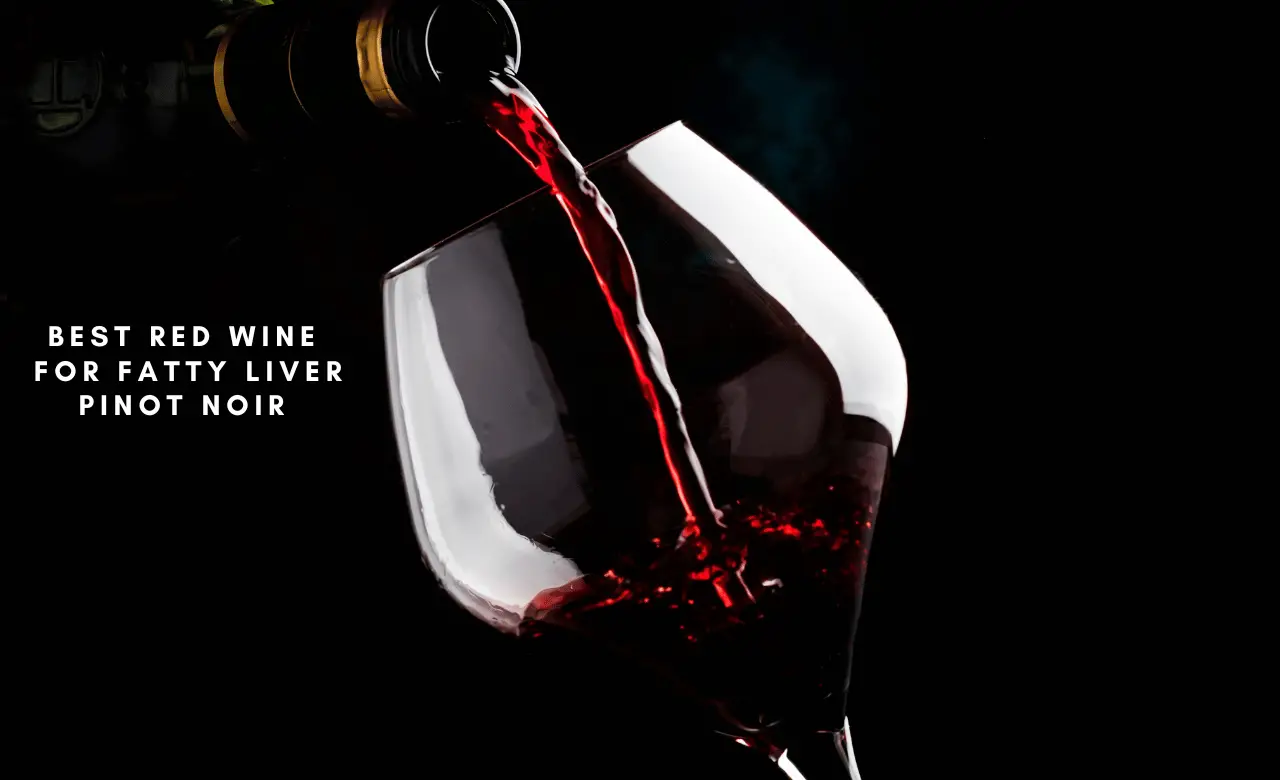
When managing fatty liver disease, the best red wine to consider is Pinot Noir, known for its high resveratrol content. Resveratrol is a powerful antioxidant that may offer…
What this article covers
Understanding Fatty Liver and Alcohol Consumption
Non-alcoholic fatty liver disease (NAFLD) is characterized by the accumulation of fat in the liver cells unrelated to heavy alcohol consumption. Conversely, alcoholic fatty liver disease (AFLD) is directly linked to excessive alcohol intake. Regardless of the type, managing fatty liver requires a cautious approach to alcohol, as overconsumption can lead to liver inflammation, fibrosis, and potentially cirrhosis.Why Pinot Noir?
Pinot Noir is often recommended as the best red wine for individuals with fatty liver due to its high levels of resveratrol. Resveratrol is a polyphenolic compound that has antioxidant, anti-inflammatory, and anti-fibrotic properties, which can help mitigate the effects of fat accumulation in the liver and support overall liver health. Table 1: Resveratrol Content in Different Red Wines| Type of Red Wine | Resveratrol Content (mg/L) | Health Benefit |
|---|---|---|
| Pinot Noir | 5.1-12.6 | High in resveratrol, antioxidant properties |
| Merlot | 1.5-3.6 | Moderate resveratrol, supports heart health |
| Cabernet Sauvignon | 4.0-8.0 | Good resveratrol content, antioxidant properties |
| Syrah/Shiraz | 1.9-3.8 | Lower resveratrol, still beneficial |
Benefits of Resveratrol for Liver Health
- Antioxidant Protection: Resveratrol helps combat oxidative stress, a significant contributor to liver damage in both NAFLD and AFLD. By neutralizing free radicals, resveratrol can protect liver cells from damage.
- Anti-Inflammatory Effects: Chronic inflammation is a hallmark of liver disease. Resveratrol has been shown to reduce inflammation in the liver, potentially slowing the progression of fatty liver to more severe conditions like fibrosis or cirrhosis.
- Anti-Fibrotic Properties: Resveratrol may inhibit the activation of hepatic stellate cells, which play a key role in the development of liver fibrosis. By preventing fibrosis, resveratrol helps maintain healthier liver tissue.
Moderation is Key
While Pinot Noir can offer benefits due to its resveratrol content, it is crucial to consume it in moderation. The American Heart Association suggests that men should limit alcohol intake to no more than two drinks per day, and women to one drink per day. For individuals with fatty liver disease, even lower consumption is advisable, and consulting with a healthcare provider is recommended. Table 2: Recommended Wine Consumption for Liver Health| Gender | Max Daily Intake | Equivalent in Wine (ml) | Notes |
|---|---|---|---|
| Men | 1-2 drinks | 150-300 ml | Focus on wines with high resveratrol content |
| Women | 1 drink | 150 ml | Prefer lower-alcohol, high-resveratrol wines |
| Fatty Liver Patients | Less than 1 drink | 75-100 ml | Always consult with a healthcare provider |
Conclusion
Incorporating red wine into your diet when managing fatty liver disease should be done cautiously and with a focus on moderation. Pinot Noir, with its high resveratrol content, may offer some liver-protective benefits, but it is essential to balance these potential advantages against the risks of alcohol consumption. Always consult with a healthcare provider before making any changes to your diet or alcohol consumption, particularly when dealing with liver health issues.References
- Journal of Hepatology. (2021). "Resveratrol and Liver Health: A Comprehensive Review."
- American Journal of Clinical Nutrition. (2020). "The Impact of Moderate Wine Consumption on Liver Function."
- Nutrition & Metabolism. (2019). "Polyphenols and Liver Health: The Role of Resveratrol."
Before you act on this
FattyFix publishes general health information. It is not medical advice, it is not a diagnosis, and it is not a substitute for talking to a doctor, pharmacist or dietitian who knows your history. Never delay or stop treatment because of something you read here.
Where to check this independently
These are the standing reference pages on fatty liver disease from national health bodies. They are not citations for the specific claims above — they are where to go to verify anything you read here against a primary source.
Related articles
 Foods & Drinks
 Is Curd Good for Fatty Liver? An Evidence-Based Guide for Liver Health
Yes, curd (yogurt) can be beneficial for fatty liver disease when consumed in moderation. Thanks to its p...
4 min read Jun 2025 Foods & Drinks
 Is Sugarcane Juice Good for Fatty Liver?
Is Sugarcane Juice Good for Fatty Liver? A Science-Backed Perspective Yes, sugarcane juice , when consume...
4 min read Jun 2025 Foods & Drinks
 Is Dalia Good for Fatty Liver?
Is Dalia Good for Fatty Liver? A Complete Guide for Liver Health Yes, dalia (broken wheat) is highly bene...
3 min read Jun 2025 Foods & Drinks
 Are Egg Whites Good for Fatty Liver?
Yes, egg whites are good for fatty liver. They are a rich source of high-quality protein with minimal fat...
3 min read Apr 2025 Foods & Drinks
 Are Tomatoes Good for Fatty Liver?
Yes, tomatoes are good for fatty liver. Their rich antioxidant content, especially lycopene, helps reduce...
3 min read Apr 2025 Foods & Drinks
 What Tea Is Good For Fatty Liver?
Green tea is one of the best teas for fatty liver due to its high content of catechins, particularly EGCG...
2 min read Aug 2024