- Home
- Foods & Drinks
- Are Tomatoes Good for Fatty Liver?
Are Tomatoes Good for Fatty Liver?
The short answer
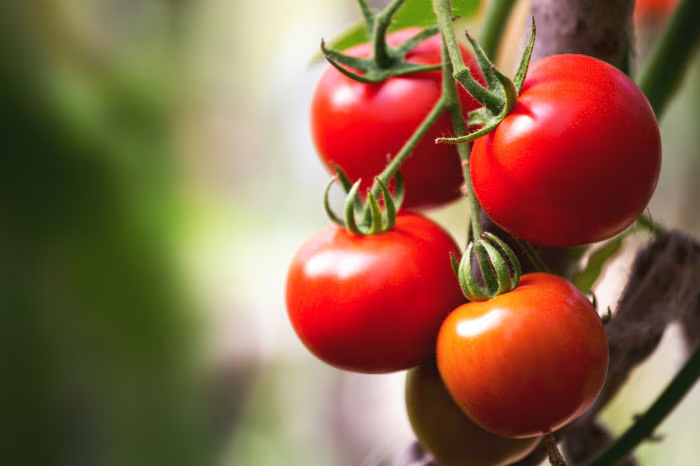
Yes, tomatoes are good for fatty liver. Their rich antioxidant content, especially lycopene, helps reduce inflammation, improve fat metabolism, and support overall liver function. Regular consumption of tomatoes can aid in managing fatty liver disease when combined with a balanced diet and healthy lifestyle.
What this article covers
Understanding Fatty Liver Disease
Fatty liver disease is broadly classified into two types:- Non-Alcoholic Fatty Liver Disease (NAFLD): Associated with obesity, insulin resistance, and metabolic syndrome.
- Alcoholic Fatty Liver Disease (AFLD): Caused by excessive alcohol consumption.
Nutritional Profile of Tomatoes
Tomatoes are low in calories and packed with essential nutrients, making them a popular choice for a balanced diet. Here’s what makes tomatoes nutritionally valuable:- Rich in Antioxidants: Lycopene, beta-carotene, and vitamin C help reduce oxidative stress in the liver.
- High in Fiber: Supports digestion and helps reduce cholesterol levels.
- Low in Fat and Calories: Ideal for maintaining a healthy weight.
- Contains Potassium: Helps manage blood pressure and fluid balance.
How Tomatoes Benefit Fatty Liver
1. Reduces Inflammation
Lycopene, the red pigment found in tomatoes, has strong anti-inflammatory properties. Studies suggest that reducing inflammation in the liver can prevent disease progression, making tomatoes a liver-friendly option.2. Lowers Liver Enzymes
Research has shown that consuming tomatoes regularly may help reduce elevated liver enzymes, a common marker of fatty liver. This effect is attributed to the antioxidant properties of lycopene and vitamin C.3. Supports Fat Metabolism
Tomatoes contain compounds that help regulate lipid metabolism. This can reduce the accumulation of fat in the liver, particularly beneficial for individuals with NAFLD.4. Improves Insulin Sensitivity
Poor insulin sensitivity is a major contributor to fatty liver. Lycopene and other bioactive compounds in tomatoes have been shown to improve glucose metabolism and insulin response.5. Detoxification and Liver Protection
Tomatoes are high in glutathione, a powerful antioxidant that aids in detoxifying the liver. They also enhance the production of liver enzymes that promote detoxification.Scientific Evidence
Several studies have examined the impact of tomato consumption on liver health:- A study published in the Journal of Nutrition found that lycopene supplementation significantly reduced markers of liver damage in patients with NAFLD.
- Another study demonstrated that tomato extract improved liver function and reduced oxidative stress in rats with fatty liver.
- Research from the International Journal of Food Sciences and Nutrition indicated that daily consumption of tomato juice improved lipid profiles in individuals with mild liver issues.
How to Incorporate Tomatoes into Your Diet
- Fresh Salads: Add raw tomatoes to salads for a nutrient boost.
- Tomato Juice: Drink freshly squeezed tomato juice, but avoid adding too much salt.
- Cooked Dishes: Cooking tomatoes with a little healthy fat (like olive oil) enhances lycopene absorption.
- Soups and Stews: Incorporate tomatoes into hearty soups and stews for a comforting meal.
Are There Any Risks?
While tomatoes are generally safe and beneficial, excessive consumption can cause acidity or heartburn in some individuals. Additionally, those with kidney issues should moderate their intake due to the high potassium content.Final Thoughts
Tomatoes are an excellent addition to a liver-friendly diet. Their rich antioxidant profile, anti-inflammatory properties, and ability to support fat metabolism make them particularly beneficial for individuals with fatty liver. As with any dietary change, it is essential to consume tomatoes as part of a balanced diet and consult a healthcare provider for personalized advice. Including tomatoes in your meals could be a simple yet effective way to support liver health, especially when combined with other healthy lifestyle choices.Before you act on this
FattyFix publishes general health information. It is not medical advice, it is not a diagnosis, and it is not a substitute for talking to a doctor, pharmacist or dietitian who knows your history. Never delay or stop treatment because of something you read here.
Where to check this independently
These are the standing reference pages on fatty liver disease from national health bodies. They are not citations for the specific claims above — they are where to go to verify anything you read here against a primary source.
Related articles
 Foods & Drinks
 Is Curd Good for Fatty Liver? An Evidence-Based Guide for Liver Health
Yes, curd (yogurt) can be beneficial for fatty liver disease when consumed in moderation. Thanks to its p...
4 min read Jun 2025 Foods & Drinks
 Is Sugarcane Juice Good for Fatty Liver?
Is Sugarcane Juice Good for Fatty Liver? A Science-Backed Perspective Yes, sugarcane juice , when consume...
4 min read Jun 2025 Foods & Drinks
 Is Dalia Good for Fatty Liver?
Is Dalia Good for Fatty Liver? A Complete Guide for Liver Health Yes, dalia (broken wheat) is highly bene...
3 min read Jun 2025 Foods & Drinks
 Are Egg Whites Good for Fatty Liver?
Yes, egg whites are good for fatty liver. They are a rich source of high-quality protein with minimal fat...
3 min read Apr 2025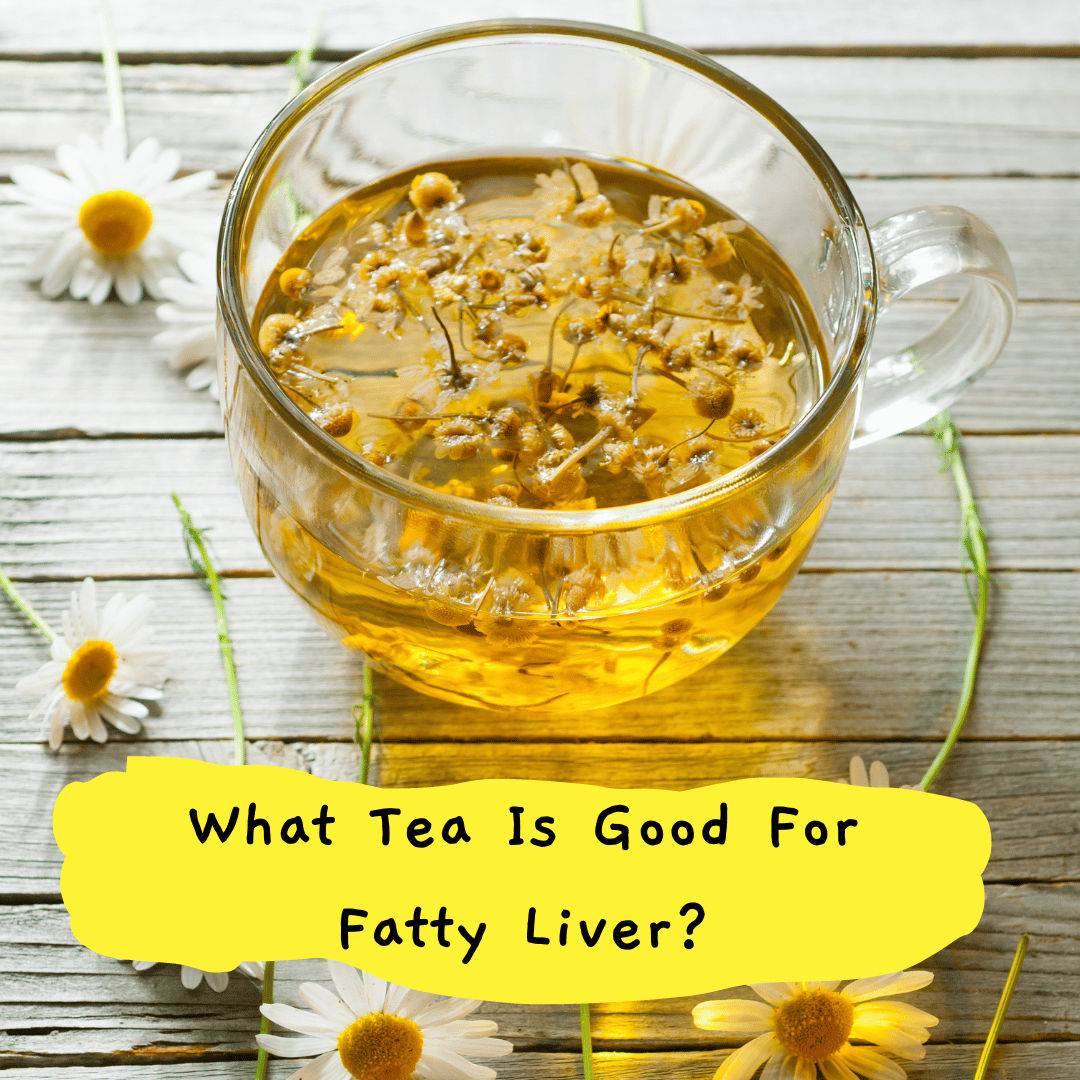 Foods & Drinks
 What Tea Is Good For Fatty Liver?
Green tea is one of the best teas for fatty liver due to its high content of catechins, particularly EGCG...
2 min read Aug 2024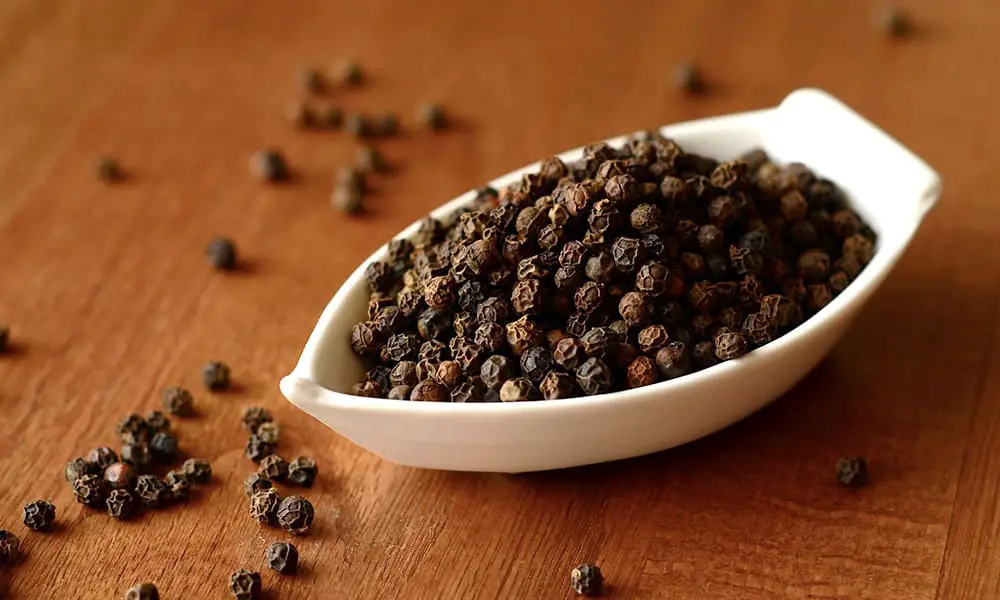 Foods & Drinks
 Is Black Pepper Good For Fatty Liver?
Yes, black pepper for fatty liver can be beneficial when used in moderation. Black pepper contains piperi...
5 min read Aug 2024