Independent · Plain language · Not medical advice All topics How we write About
FattyFix
  1. Home
  2. Recipes & Meal Plans
  3. What Are the Best Meal Plans for Fatty Liver?
Recipes & Meal Plans

What Are the Best Meal Plans for Fatty Liver?

A meal plan for fatty liver is a carefully chosen diet that helps reduce fat in the liver and supports liver health. It focuses on eating healthy, low-fat foods like vegetables…
What Are the Best Meal Plans for Fatty Liver?
What this article covers
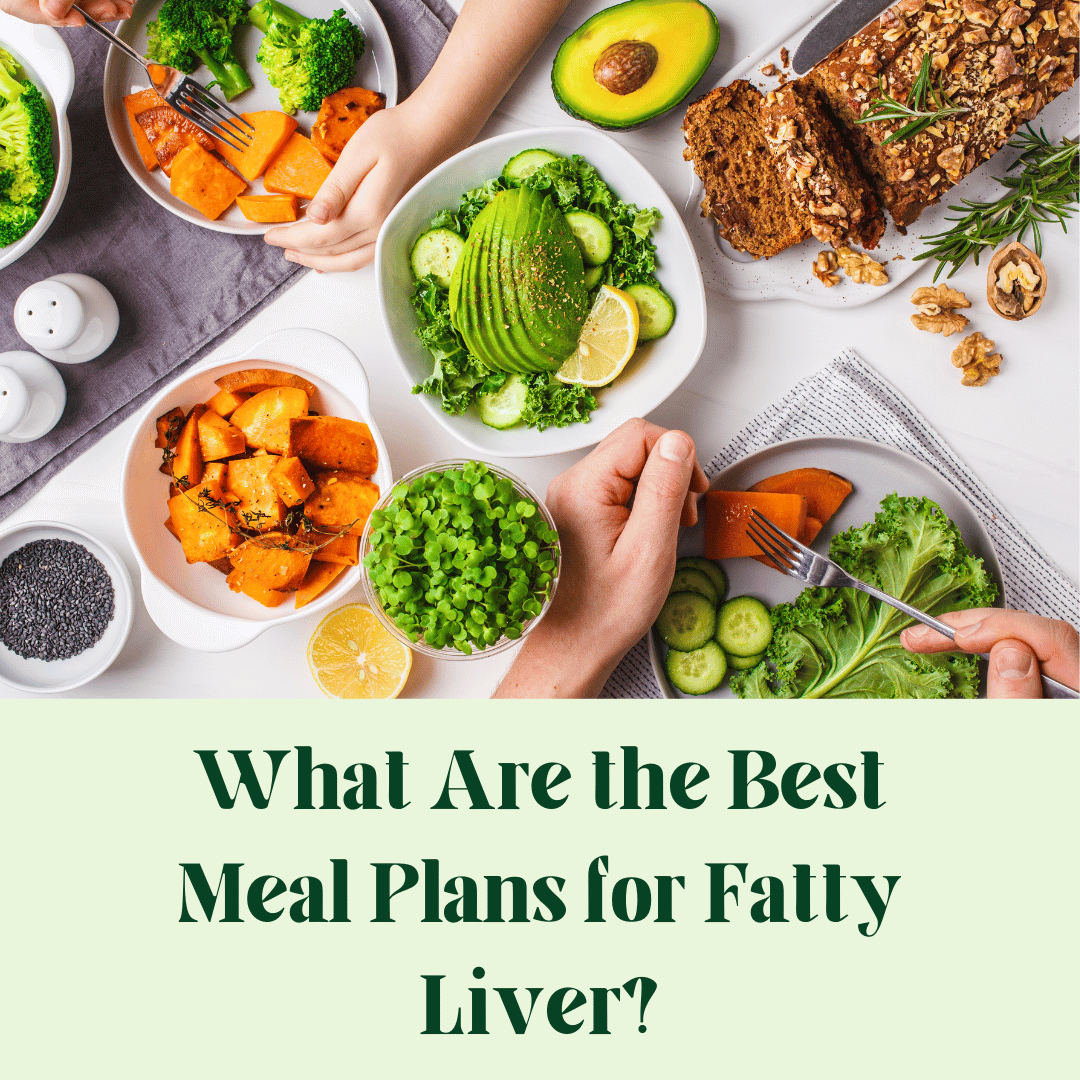
A meal plan for fatty liver is a carefully chosen diet that helps reduce fat in the liver and supports liver health. It focuses on eating healthy, low-fat foods like vegetables, fruits, whole grains, lean proteins, and healthy fats. The goal is to avoid foods that can make liver problems worse, like sugary drinks, fried foods, and processed snacks. By following a meal plan designed for fatty liver, you can help your liver recover and improve your overall health.

Foods to Include in Your Fatty Liver Meal Plan

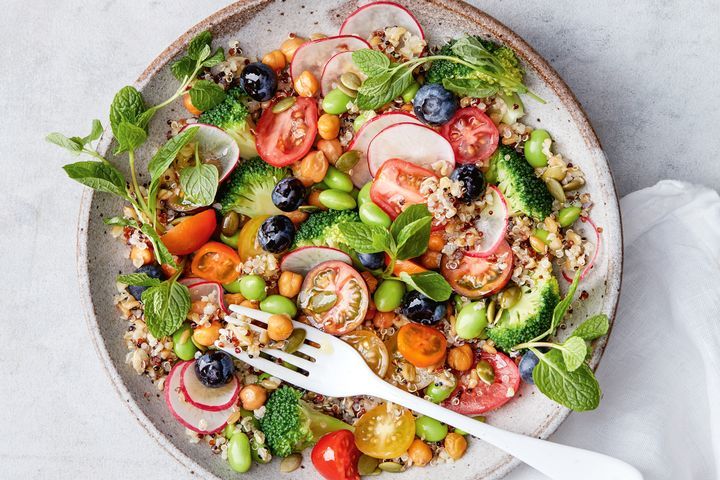
When creating a meal plan for fatty liver, it's important to include foods that help reduce liver fat, improve liver function, and support overall health. Here are some of the best foods to include:
  • Leafy Greens:
    • Examples: Spinach, Kale, Arugula
    • Benefits: Rich in antioxidants and fiber, these greens help detoxify the liver and reduce inflammation.
  • Fatty Fish:
    • Examples: Salmon, Mackerel, Sardines
    • Benefits: High in omega-3 fatty acids, fatty fish helps reduce liver fat and inflammation.
  • Whole Grains:
    • Examples: Oats, Brown Rice, Quinoa
    • Benefits: Whole grains are high in fiber, which supports digestion and helps control blood sugar levels, reducing the risk of fat accumulation in the liver.
  • Nuts and Seeds:
    • Examples: Walnuts, Flaxseeds, Chia Seeds
    • Benefits: These are rich in healthy fats and antioxidants, which help reduce inflammation and support liver health.
  • Olive Oil:
    • Benefits: A healthy fat that can help reduce liver fat and improve insulin sensitivity.
  • Fruits:
    • Examples: Berries, Apples, Citrus Fruits
    • Benefits: Low in sugar and high in fiber and antioxidants, fruits like berries help protect liver cells and support overall liver function.
  • Vegetables:
    • Examples: Broccoli, Brussels Sprouts, Carrots
    • Benefits: Vegetables are low in calories and high in nutrients, supporting liver detoxification and reducing fat accumulation.
  • Lean Proteins:
    • Examples: Skinless Chicken, Turkey, Tofu
    • Benefits: Lean proteins are low in fat and help build muscle while supporting liver health.
  • Green Tea:
    • Benefits: Rich in antioxidants called catechins, which help improve liver function and reduce fat storage in the liver.

Meal Plans for Fatty Liver

Creating a meal plan for fatty liver involves focusing on nutrient-dense, low-fat foods that support liver health and reduce fat accumulation. Here are some example meal plans that can help manage fatty liver:
Example Meal Foods Included
Example 1: A Balanced Day Breakfast Oatmeal with fresh berries (blueberries, strawberries), walnuts, green tea with lemon (unsweetened)
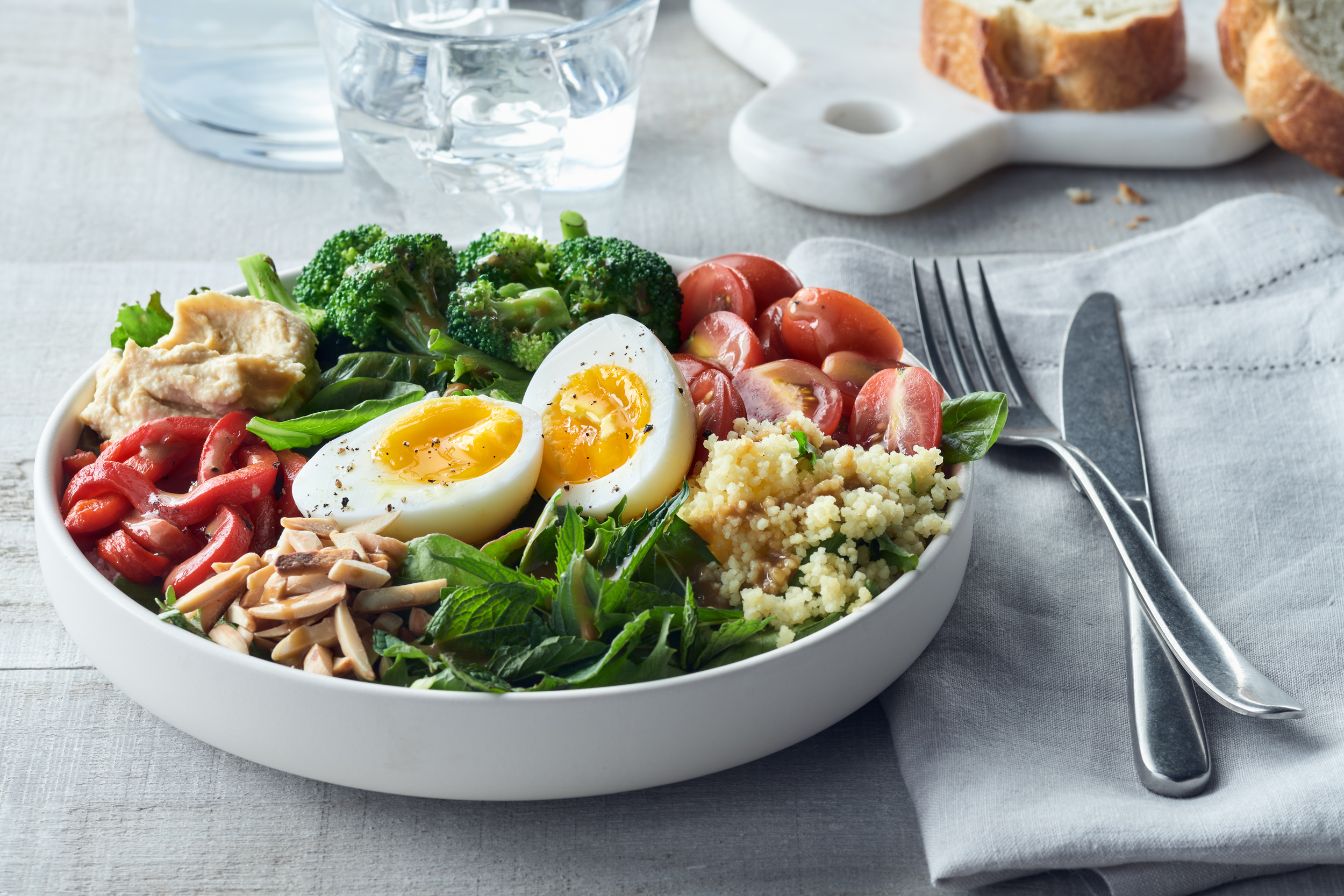
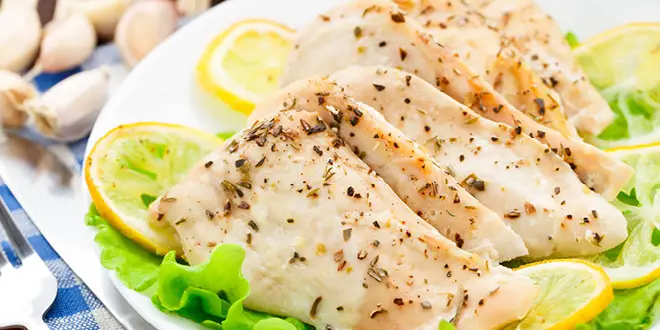
Lunch Grilled chicken breast, spinach and kale salad, olive oil and lemon dressing, small serving of quinoa
Snack An apple or cucumber slices with hummus
Dinner Baked salmon, steamed broccoli and carrots, brown rice or small baked sweet potato
Dessert (Optional) Small bowl of mixed berries or a piece of dark chocolate
Example 2: Plant-Based Focus Breakfast Smoothie with spinach, kale, avocado, chia seeds, unsweetened almond milk, whole-grain toast
Lunch Lentil and vegetable soup (carrots, celery, tomatoes), mixed greens with olive oil and vinegar dressing
Snack Handful of almonds or a piece of fruit (pear or orange)
Dinner Stir-fried tofu with mixed vegetables (broccoli, bell peppers, onions), brown rice or quinoa
Dessert (Optional) Small serving of sliced apples with cinnamon
Example 3: Mediterranean-Inspired Breakfast Greek yogurt (plain) with honey, chia seeds, fresh berries, whole-grain bread with avocado
Lunch Grilled turkey breast, Mediterranean salad (cucumbers, tomatoes, olives, feta cheese), olive oil dressing, farro or whole-grain bread
Snack Small bowl of mixed nuts or a piece of fresh fruit
Dinner Baked cod, roasted Brussels sprouts, sweet potato wedges, mixed greens with lemon and olive oil
Dessert (Optional) Small piece of dark chocolate or a few slices of watermelon
These example meal plans for fatty liver provide a variety of nutritious options that help reduce liver fat, improve liver function, and support overall health. By incorporating these meals into your diet, you can take significant steps toward managing fatty liver disease effectively.

What Is the Best Diet Plan for Fatty Liver?

The best diet plan for fatty liver focuses on reducing liver fat, improving liver function, and promoting overall health. This diet plan emphasizes nutrient-dense, whole foods while avoiding processed foods, added sugars, and unhealthy fats. Here’s a comprehensive guide to the best diet plan for managing fatty liver:
Diet Plan Component Description Examples
Focus on Whole Foods Minimally processed foods that provide essential nutrients for liver health. Fresh fruits and vegetables, whole grains like oats and quinoa, lean proteins like chicken, turkey, fish, healthy fats from nuts, seeds, and olive oil.
Increase Fiber Intake Fiber supports digestion, blood sugar control, and reduces liver fat. Whole grains (oatmeal, brown rice), vegetables (broccoli, spinach), fruits (apples, berries), legumes (lentils, beans).
Include Healthy Fats Healthy fats reduce inflammation and liver fat. Fatty fish (salmon, mackerel), nuts (walnuts, almonds), seeds (flaxseeds, chia seeds), olive oil.
Limit Added Sugars and Refined Carbohydrates Reducing sugar and refined carbs helps prevent fat buildup in the liver. Avoid sugary drinks, sweets, and refined grains like white bread. Choose whole fruits and whole grains instead.
Opt for Lean Proteins Lean proteins provide essential amino acids without excess fat. Skinless chicken, turkey, tofu, fish, legumes like beans and lentils.
Stay Hydrated Hydration supports liver function and overall health. Water, herbal teas (like green tea), low-calorie beverages.
Practice Portion Control Eating in moderation helps prevent overeating and weight gain. Use smaller plates, pay attention to hunger cues, avoid large portions, especially of high-calorie foods.
In conclusion, managing fatty liver disease through a balanced diet is crucial for improving liver health. Focus on whole, nutrient-dense foods like vegetables, lean proteins, healthy fats, and whole grains while avoiding added sugars and unhealthy fats. Staying hydrated and practicing portion control also play key roles in supporting liver function and maintaining a healthy weight. By consistently making these dietary changes, you can reduce liver fat, improve overall health, and effectively manage fatty liver disease.

Before you act on this

FattyFix publishes general health information. It is not medical advice, it is not a diagnosis, and it is not a substitute for talking to a doctor, pharmacist or dietitian who knows your history. Never delay or stop treatment because of something you read here.

Where to check this independently

These are the standing reference pages on fatty liver disease from national health bodies. They are not citations for the specific claims above — they are where to go to verify anything you read here against a primary source.

  1. NIDDK (US National Institutes of Health) — Definition & Facts for NAFLD & NASH
  2. NHS (UK) — Non-alcoholic fatty liver disease (NAFLD)
  3. Mayo Clinic — Nonalcoholic fatty liver disease
  4. American Liver Foundation — Nonalcoholic fatty liver disease
  5. MedlinePlus — Fatty liver disease

FattyFix Editorial Team

Editorial team

FattyFix is written and edited by a small independent editorial team covering fatty liver disease. We summarise guidance published by liver and public-health bodies in plain language and link out to the primary sources so you can check anything you read here. Our articles are not written or reviewed by a practising clinician, and we say so on every page rather than implying a review that has not happened.

Keep reading

Related articles

All recipes & meal plans