- Home
- Diet & Nutrition
- What Foods to Eat for Fatty Liver?
What Foods to Eat for Fatty Liver?
Fatty liver disease, characterized by excess fat stored in liver cells, is a growing health concern worldwide. Managing this condition involves significant lifestyle changes…
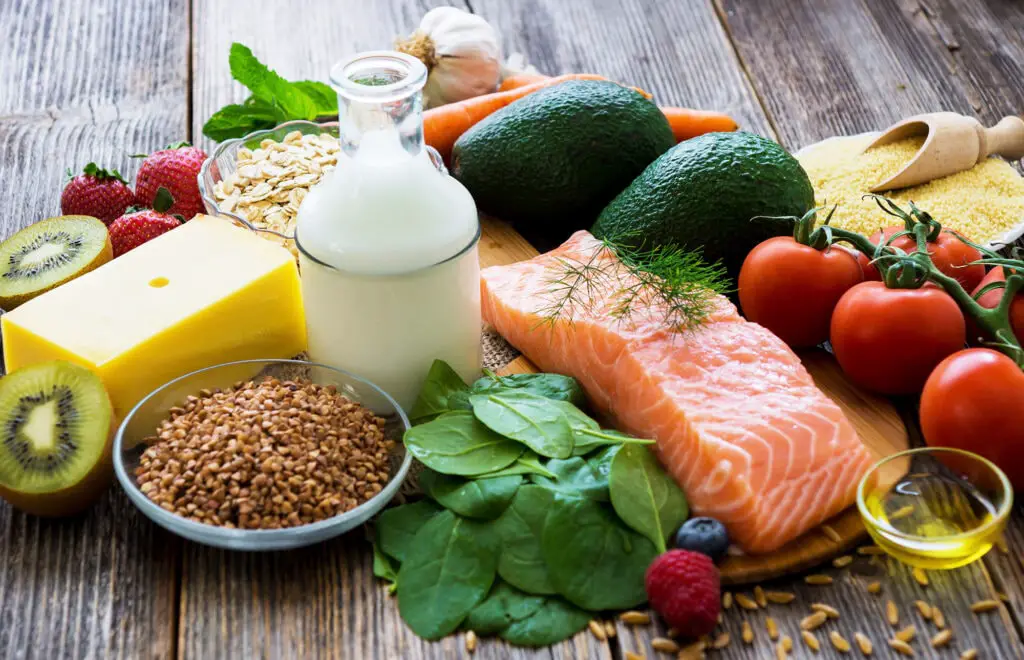
What this article covers
- What Is Fatty Liver?
- Key Dietary Principles for Fatty Liver
- Explanation of the Table
- What foods help cure a fatty liver?
- Beneficial Foods for Fatty Liver
- 1. Leafy Green Vegetables
- 2. Fatty Fish
- 3. Nuts and Seeds
- 4. Whole Grains
- 5. Olive Oil
- 6. Fruits and Berries
- What foods to avoid when you have a fatty liver?
- 1. Sugary Foods and Beverages
- 2. Refined Carbohydrates
- 3. Fried and Fast Foods
- 4. Red and Processed Meats
- 5. Alcohol
- 6. High-Fat Dairy Products
- 7. Excessive Salt Intake
- What’s the fastest way to reduce fatty liver?
- Sample Meal Plan for Fatty Liver: Healthy & Delicious
- References
- Conclusion
What Is Fatty Liver?
Key Dietary Principles for Fatty Liver
Here's a table summarizing the key dietary principles for managing fatty liver, along with an explanation of each principle:| Principle | Description |
|---|---|
| Low in saturated fats | Foods high in saturated fats should be limited as they can increase liver fat, worsening fatty liver disease. Saturated fats are often found in red meat, butter, and certain processed foods. |
| High in fiber | A high-fiber diet aids in weight management and supports liver function. Fiber helps regulate blood sugar levels and promotes a healthy digestive system. Foods like fruits, vegetables, whole grains, and legumes are good sources of fiber. |
| Rich in antioxidants | Antioxidants help protect the liver from damage by neutralizing harmful free radicals. Consuming foods rich in antioxidants, such as berries, nuts, green tea, and leafy green vegetables, can support liver health. |
| Moderate in carbohydrates | Consuming carbohydrates in moderation, especially simple sugars, is important to manage insulin resistance, a common issue in fatty liver disease. Focus on complex carbohydrates like whole grains and avoid high-sugar foods. |
Explanation of the Table
- Low in saturated fats: Saturated fats can lead to an increase in liver fat. Reducing intake of these fats helps prevent further liver damage and is crucial for managing fatty liver disease.
- High in fiber: Fiber is essential for maintaining a healthy weight and supporting liver function. It helps in slowing down digestion, which can regulate blood sugar levels and reduce the burden on the liver.
- Rich in antioxidants: Antioxidants play a key role in protecting the liver from cellular damage and reducing oxidative stress. Foods rich in antioxidants can help in maintaining liver health and preventing progression of fatty liver disease.
- Moderate in carbohydrates: Managing carbohydrate intake, particularly simple sugars, is important for controlling insulin resistance, which is often associated with fatty liver disease. A balanced intake of carbohydrates, primarily from complex sources, supports overall metabolic health and liver function.
What foods help cure a fatty liver?
For managing fatty liver, here are additional food options that are beneficial:- Citrus fruits (like oranges and grapefruits)
- Apples
- Tomatoes
- Beetroot
- Carrots
- Grapes
- Papaya
- Turmeric
- Artichokes
- Sweet potatoes
- Yogurt (especially low-fat)
- Almonds
- Sunflower seeds
- Chia seeds
- Pumpkin seeds
- Brown rice
- Lentils
- Chickpeas
Beneficial Foods for Fatty Liver
Detailed explanation of the foods beneficial for fatty liver and their impact on liver health:1. Leafy Green Vegetables
Examples: Spinach, kale, broccoli Key Nutrients: Antioxidants, fiber Leafy green vegetables are powerhouse foods for liver health. They contain high levels of antioxidants, which combat oxidative stress and reduce the damage to liver cells caused by free radicals. The fiber in these vegetables aids in digestion and helps prevent the accumulation of fat in the liver, promoting overall liver detoxification. By integrating these vegetables into your diet, you can support your liver's natural cleansing processes and reduce fat buildup.2. Fatty Fish
Examples: Salmon, mackerel, sardines Key Nutrients: Omega-3 fatty acids Fatty fish are rich in omega-3 fatty acids, essential fats that the body cannot produce on its own. These fats are known for their anti-inflammatory properties, helping to reduce inflammation in the liver and lower the levels of liver fat. Regular consumption of fatty fish can be beneficial in managing and reducing the risks associated with fatty liver disease.3. Nuts and Seeds
Examples: Walnuts, flaxseeds Key Nutrients: Omega-3 fatty acids, antioxidants Nuts and seeds are not only a good source of healthy fats but also contain important antioxidants. These nutrients work together to support liver health by reducing oxidative stress and inflammation. Walnuts and flaxseeds, in particular, have high levels of omega-3 fatty acids, which are beneficial for reducing liver fat and enhancing liver function.4. Whole Grains
Examples: Oats, barley, quinoa Key Nutrients: Fiber Whole grains are an important part of a liver-friendly diet due to their high fiber content. This fiber helps regulate blood sugar levels and improves insulin sensitivity, which is crucial for managing fatty liver disease. Foods like oats, barley, and quinoa also provide a slow and steady source of energy, preventing spikes in blood sugar and reducing fat storage in the liver.5. Olive Oil
Key Nutrients: Monounsaturated fats Olive oil is recognized for its heart-healthy fats, particularly monounsaturated fats, which have beneficial effects on liver health. Studies have shown that incorporating olive oil into your diet can lead to improvements in liver enzyme levels and a reduction in liver fat. It's a healthier fat choice that can replace saturated fats in the diet, aiding in the management of fatty liver disease.6. Fruits and Berries
Examples: Blueberries, strawberries, apples Key Nutrients: Antioxidants Fruits and berries are rich in antioxidants, which play a significant role in protecting the liver from damage and supporting its healing process. These foods not only help in reducing liver fat but also in maintaining overall liver health. Blueberries, strawberries, and apples, in particular, are known for their liver-friendly properties.1. Sugary Foods and Beverages
Examples: Soda, candy, baked goods, and sweetened cereals Issue: These foods are high in simple sugars, particularly fructose, which can lead to an increase in liver fat. Consuming large amounts of sugary foods and drinks can contribute to obesity, insulin resistance, and the development of NAFLD.2. Refined Carbohydrates
Examples: White bread, pasta, and rice Issue: Refined carbs are stripped of their fiber and nutrients, leading to rapid spikes in blood sugar and insulin levels. This can increase fat storage in the liver and exacerbate fatty liver disease.3. Fried and Fast Foods
Examples: French fries, fried chicken, and fast food burgers Issue: These foods are typically high in unhealthy fats and calories, contributing to weight gain and increased liver fat. Regular consumption of fried and fast foods can worsen liver health and promote the progression of fatty liver disease.4. Red and Processed Meats
Examples: Beef, pork, sausages, and deli meats Issue: High in saturated fats and often processed with additives, these meats can increase inflammation and liver fat, potentially leading to more severe liver conditions.5. Alcohol
Issue: Even in moderate amounts, alcohol can be harmful to the liver, exacerbating fat accumulation and leading to inflammation and liver damage. It's particularly important for those with fatty liver disease to limit or avoid alcohol consumption.6. High-Fat Dairy Products
Examples: Full-fat milk, cream, and cheese Issue: These products are rich in saturated fats, which can contribute to liver fat accumulation and worsen fatty liver disease.7. Excessive Salt Intake
Examples: Salty snacks, processed foods, and ready-made meals Issue: High salt intake can lead to water retention and increased blood pressure, further stressing the liver and complicating fatty liver disease.What’s the fastest way to reduce fatty liver?
The fastest way to reduce fatty liver is through a combination of losing weight, eating a healthy diet rich in liver-friendly foods, reducing intake of sugars and saturated fats, exercising regularly, avoiding alcohol, and staying hydrated. Consistent, moderate changes in lifestyle are key to effectively managing and improving liver health.| Time | Meal Type | Food Options |
|---|---|---|
| 7:00 AM | Breakfast | Whole-grain toast with avocado and a side of turkey bacon |
| 10:00 AM | Mid-Morning Snack | Greek yogurt with chia seeds and fresh berries |
| 12:30 PM | Lunch | Grilled chicken salad with mixed leafy greens, cherry tomatoes, and olive oil dressing |
| 3:00 PM | Afternoon Snack | Apple slices with almond butter |
| 6:00 PM | Dinner | Baked salmon with roasted sweet potatoes and steamed asparagus |
| 8:00 PM | Evening Snack | Cottage cheese with sliced peaches or citrus fruits |
References
- "Liver Disease: Nutrition and Diet" by the British Liver Trust This resource offers detailed guidance on the diet recommended for liver disease patients, including specific foods and dietary patterns.
- "Healing Fatty Liver Disease: A Complete Health and Diet Guide, Including 100 Recipes" by Dr. Maitreyi Raman, Angela Sirounis, and Jennifer Shrubsole This book includes information on fatty liver disease and offers 100 recipes designed to support liver health.
- "The Liver Healing Diet: The MD's Nutritional Plan to Eliminate Toxins, Reverse Fatty Liver Disease and Promote Good Health" by Michelle Lai and Asha Kasaraneni It provides a detailed plan for eating well to support liver health, with a focus on reversing fatty liver disease.
Conclusion
Frequently asked questions
Answered in this article.
What Is Fatty Liver?
What foods help cure a fatty liver?
What’s the fastest way to reduce fatty liver?
Before you act on this
FattyFix publishes general health information. It is not medical advice, it is not a diagnosis, and it is not a substitute for talking to a doctor, pharmacist or dietitian who knows your history. Never delay or stop treatment because of something you read here.
Where to check this independently
These are the standing reference pages on fatty liver disease from national health bodies. They are not citations for the specific claims above — they are where to go to verify anything you read here against a primary source.
Related articles
 Diet & Nutrition
 Ayurvedic Diet for Fatty Liver Recovery
Why Timing Matters: The Role of Meal Schedule in Liver Detox Ayurveda gives significant importance to the...
4 min read Jun 2025 Diet & Nutrition
 Is Keto Diet Good for Fatty Liver
What is Keto Diet? The keto diet is a way of eating that focuses on consuming high amounts of fats, very...
11 min read Aug 2024 Diet & Nutrition
 Carnivore Diet and Fatty Liver
What is the Carnivore Diet? The carnivore diet is a type of eating plan where you only consume foods that...
10 min read Aug 2024 Diet & Nutrition
 Transform Your Liver Health: The Ultimate Diet Plan for Fatty Liver Rejuvenation
The fatty liver diet plays a significant role in managing fatty liver disease. The fatty liver diet empha...
8 min read Feb 2024
Supplements & Herbs Best Ayurvedic Medicine for Fatty Liver: A Natural Healing Guide
Yes, Ayurveda offers several highly effective natural remedies and formulations for treating fatty liver...
3 min read Jun 2025 Foods & Drinks
 Is Curd Good for Fatty Liver? An Evidence-Based Guide for Liver Health
Yes, curd (yogurt) can be beneficial for fatty liver disease when consumed in moderation. Thanks to its p...
4 min read Jun 2025